
About the Community Advisory Committee
A Community Advisory Committee was established in winter 2021 to inform and advise on the development and work of the CDLRN. The committee is composed of members from project teams and the broader dementia community including those with lived experience. Our committee includes individuals from across Canada, including people living with dementia, care partners, Indigenous people, and others with significant expertise in dementia, research, knowledge mobilization, quality improvement, and evaluation.
People living with dementia and care partners take a central role in the advisory committee, sharing their experience and expertise to guide the formation of the CDLRN and community of practice.
Community Advisory Committee Member Profiles
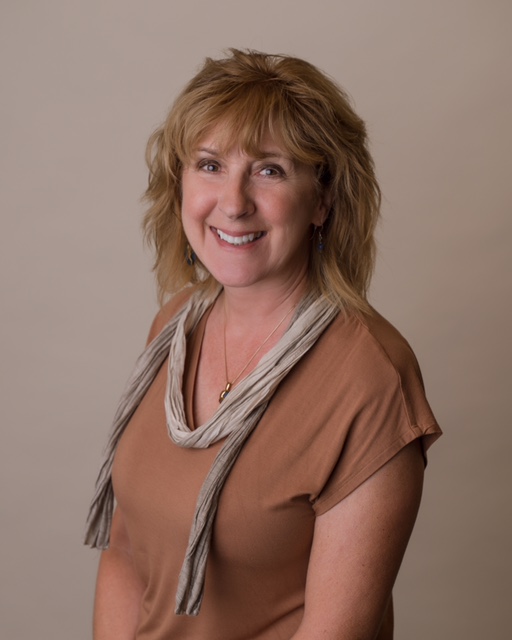
Anne Belliveau
Anne retired from a career coordinating clinical research studies in Anesthesiology and Ophthalmology, to spend more time with her mother, who was diagnosed with dementia. To provide informed care and support to her mother, Anne took courses on dementia and became an active volunteer with the Alzheimer Society of NS. As a result of her mother being in acute care for over a month, Anne became an advocate for improving acute care for people with dementia. Anne currently facilitates a caregiver support group and is an active participant in research studies and committees to improve care and community supports for people living with dementia as well as their caregivers. In her spare time, Anne is an avid wood carver. She is enjoying retirement with her husband and their 4 grandchildren.
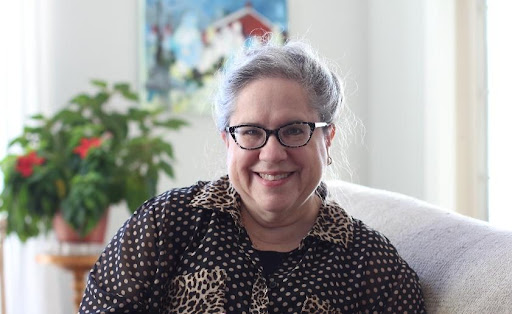
Odette Gould
I am a bilingual Acadian, living in New Brunswick after many years in British Columbia and the USA. I have recently retired as a university professor of gerontology and psychology and continue to work as a researcher in these areas. My husband and I have been caregivers for all four of our parents as each developed dementia over the last 20 years. I have given multiple community talks on dementia caregiving and dementia-friendly communities and am the co-founder and co-facilitator of a dementia caregiver support group in my community. I have a PhD in Lifespan Development and Aging from the University of Victoria.

Bill Heibein
Bill Heibein lives outside Thunder Bay, Ontario, continuing to live well following an “Early Onset Alzheimer’s” diagnosis in 2000. After retiring early from a 38-year public accounting career at Ernst & Young, he focused on operating his 150-acre “Amethyst Farms,” where he and his wife, Heather, breed and show Quarter Horses. Bill connects with the Alzheimer Society of Thunder Bay, collaborating on research with Lakehead University and the University of Waterloo. A dedicated advocate, he serves on multiple advisory committees, including the CDLRN CAC, and was one of the first four people with dementia to present before the Canadian Senate Review Committee.
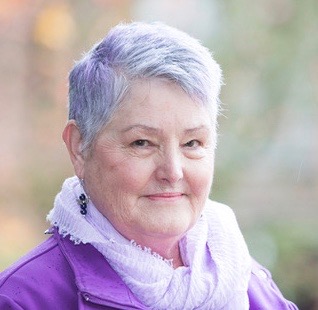
Myrna Norman
My name is Myrna Norman. Coming from Maple Ridge BC, a suburb of Vancouver, my life has taken a significant turn after being diagnosed with Frontal Temporal Dementia in 2009. Currently my diagnosis is MCD after being diagnosed with Lewy body and my drivers license removed by the doc, and Alzheimer’s, confusion reigned. Could I be the only one with all of the difficulties in diagnosing? Could my passion for advocacy have spurred the neutrons in my brain to make better connections? Part of my advocacy is a peer group for those with memory issues in my hometown. Fun events like ‘Christmas in July’, experiences with art, quizzes, etc. are part of our get togethers. Sone of the groups that offer highlights to my life are Early Persons Living with Dementia group, it’s stimulating and energetic and enriching. The Dementia Sisterhood, the Action Committee, CCNA, Alzheimer’s Advisory, Dementia Advocacy Canada, Community Response Network, Dementia Friendly Task Force, Elder Law, Advance Care Planning and even more. Much to do and much to learn and to share, isn’t that what life is all about? Won’t you join me?
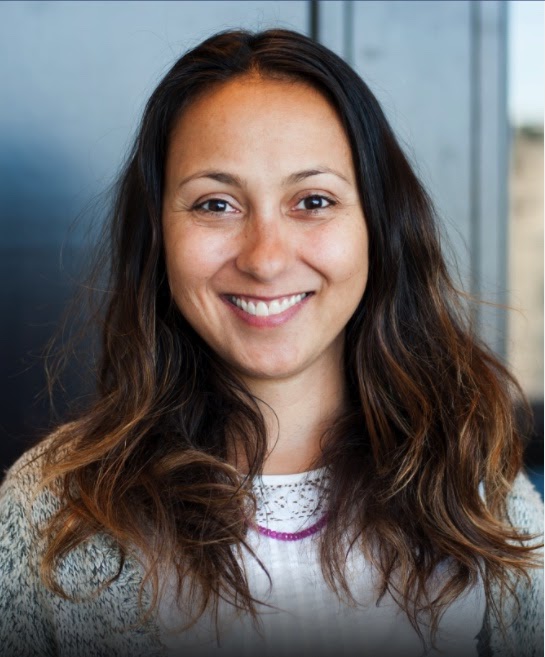
Katrina Prescott
Katrina was the primary caregiver to her mom for many years before her mother’s death in spring 2022. Katrina is an educator, dedicated community advocate and innovator. She has created programs that combat seniors’ isolation, mitigate hunger and address environmental waste. Passionate about supporting change and creativity in dementia care and caregiving, she lends her time and knowledge to several organizations including the Family Caregivers of BC, Dr. Matthias Hoben (York U): Research Advisory Committee on Quality of Life & Care, UBC Patient & Community Partnership for Education, Centre for Health Evaluation and Outcome Sciences, Family Caregivers of BC, BC Office of the Seniors Advocate Providence Health Care: Coordinating Care, Shared Care & Virtual Health, Family Caregivers of BC, BC Law Institute & Canadian Centre for Elder Law, BC Centre for Palliative Care and the West End Seniors Network. Katrina continues to feed her creativity with new challenges; she lives in Vancouver, where she works in TV commercial production.

Miranda Potts
Miranda Potts is a lifelong community worker and social activist dedicated to supporting marginalized groups in Montreal’s NDG (Notre-Dame-de-Grâce) community. As the first 55+ outreach worker for Prevention CDN-NDG ( Côte-des-Neiges / Notre-Dame-de-Grâce), she combats elder abuse and isolation through direct intervention, advocacy, and psychosocial programs. Miranda co-founded the West-end Intergenerational Network (WIN), serves as a Community Health Advocate for the NDG Senior Citizens Council, and provides private elder care in psychosocial interventions and activities of daily living. Her extensive leadership across local boards and committees (ex. Montreal Council of Women, Gay & Grey, Black Mental Health Connections, and more) recently earned her a spot on the CDLRN Community Advisory Committee. Personally, Miranda loves traveling to experience diverse cultures, and her daughter studies in New York City.
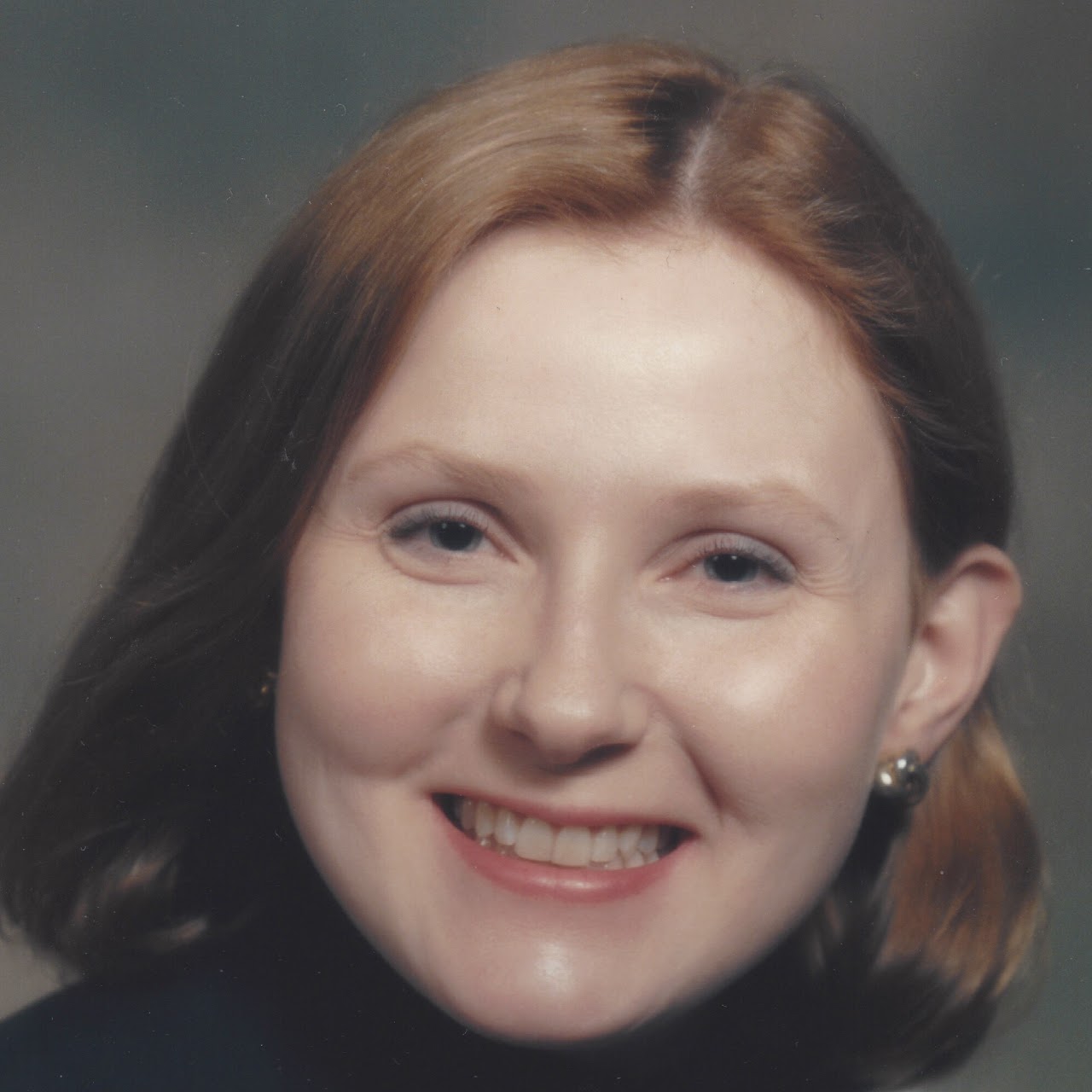
Katherine Thompson-Nelson
Katherine is a journalist who has worked in print, radio and television. Over the course of her career, she has covered everything from cutting-edge science and medicine to entertainment and sports. She has lived experience with dementia: While Katherine was still an undergraduate university student, her mother Kay had a hemorrhagic stroke which resulted in cognitive deficits and, ultimately, progressive dementia due to age combined with brain injury. Katherine initially lived with her mother and then managed her care, providing care for nearly 20 years, until Kay’s death. In addition, she supported her husband’s family in providing dementia care for her father-in-law Charlie until his death in January 2021, and continues to support them in providing dementia care for her mother-in-law Joyce.
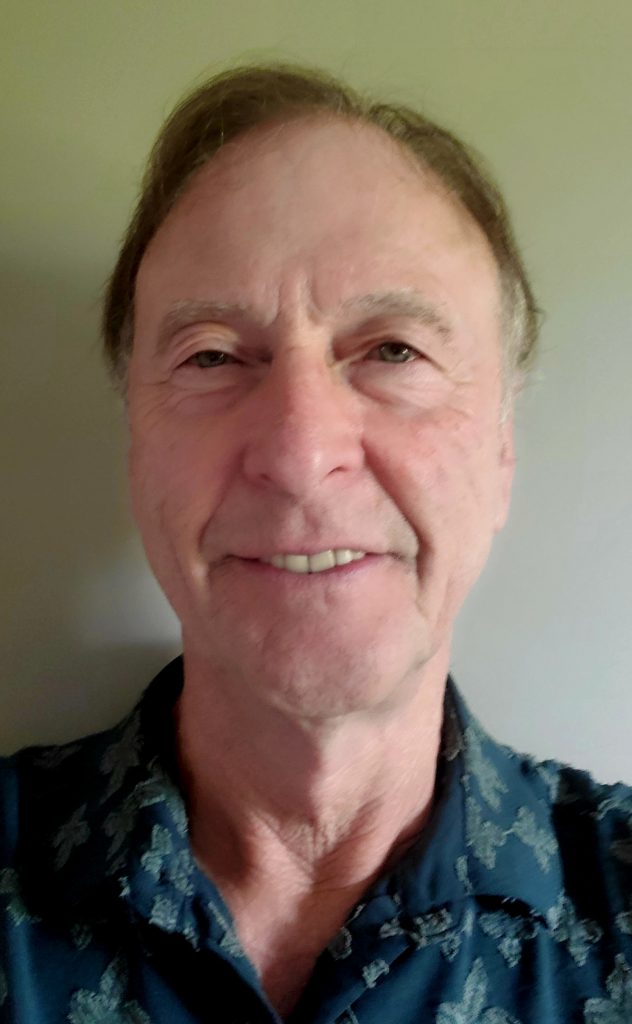
Patrick Sulley
Patrick Sulley is a Bedford, Nova Scotia-based advocate and entrepreneur who spent 35 years running six businesses and traveling the world with his wife, Anita. Their lives changed in 2022 when Anita was diagnosed with Frontotemporal Dementia, eventually transitioning into long-term care in 2024. Driven by his lived experience as an “unprepared caregiver,” Patrick now campaigns for early diagnosis and practical solutions for families. He delivers impactful presentations to Dalhousie University medical students, features on podcasts for the Nova Scotia Palliative Care Association, and is authoring a book to guide others through the dementia journey.
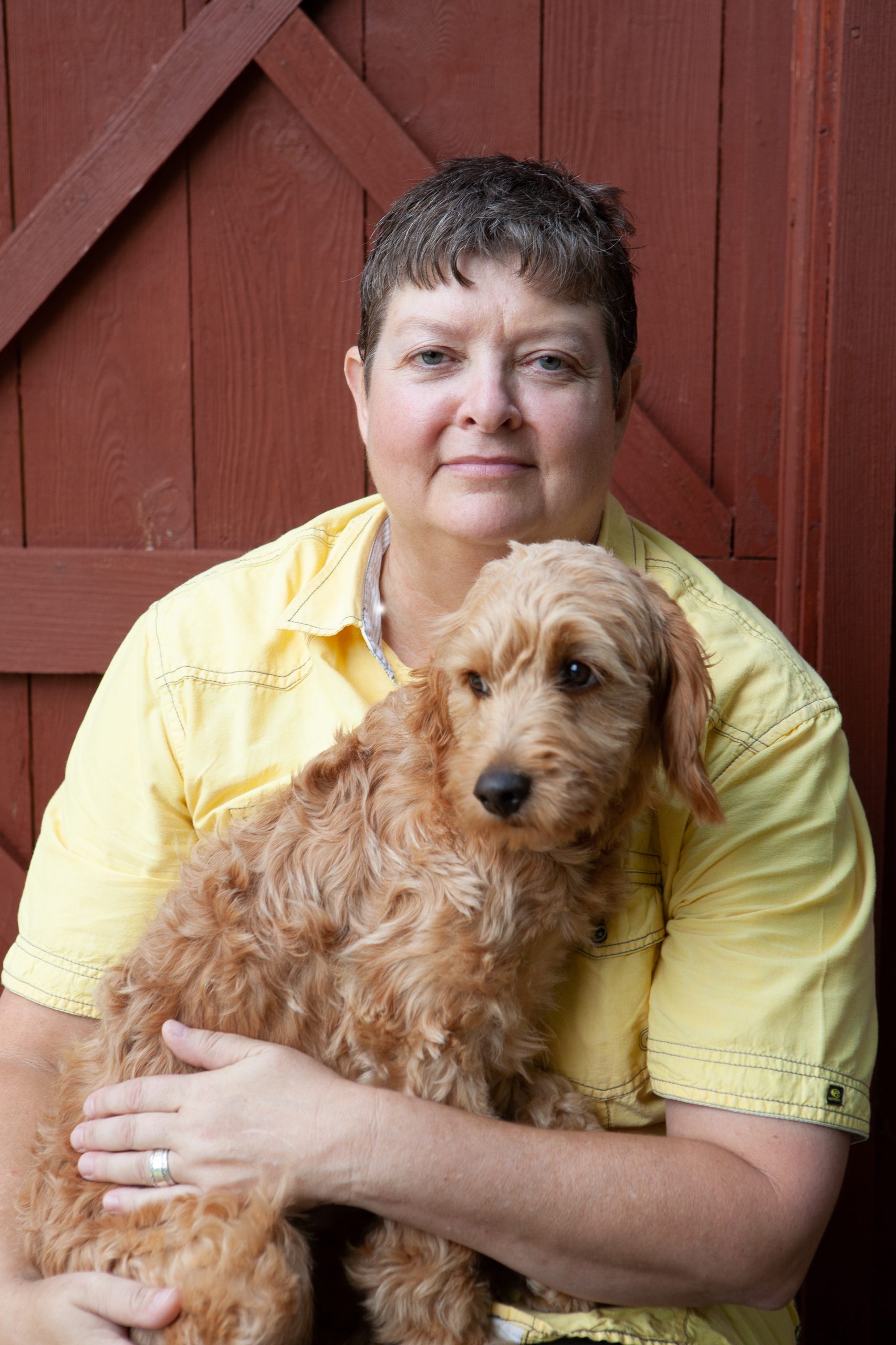
Mary Beth Wighton
Mary Beth Wighton is an international dementia advocate and author who is considered a pioneer in influencing the Canadian landscape and government policies as it pertains to dementia and human rights. She was diagnosed in 2012 with probable behavioral variant frontotemporal dementia at the age of 45. Mary Beth has been involved in a multitude of projects, presentations and organizations including serving as a witness for the Canadian Standing Senate Committee on Social Affairs, Science and Technology for its study on dementia in Canadian society. She was instrumental in helping design the first Canadian National Dementia Conference and was a member of the first Canadian Ministerial Advisory Board on Dementia. Mary Beth is a Behavioural Supports Ontario Provincial Lived Experience Facilitator.